From Sportscenter To Nfl Primetime: Chris Berman’s Wealth

Chris Berman is one of the most recognizable voices in American sports broadcasting, and his career longevity has made him a fascinating case study in how talent, personality,...

Chris Berman is one of the most recognizable voices in American sports broadcasting, and his career longevity has made him a fascinating case study in how talent, personality, and strategic career moves can build significant wealth. For fans who grew up watching him deliver his legendary highlights on SportsCenter, or for newer audiences who know him from NFL Primetime, the question of how much he has earned over nearly four decades in the industry sparks genuine curiosity. Understanding his financial journey matters because it illustrates a broader lesson: mastering one's craft and seizing the right opportunities at the right time can lead to extraordinary long-term rewards, even in a highly competitive field like television sports journalism.
Chris Berman joined ESPN in 1979, just three years after the network launched its groundbreaking all-sports programming. He quickly became a cornerstone of SportsCenter, where his energetic delivery, animated commentary, and signature sound effects turned ordinary highlight reels into entertainment events. His catchphrases — “Whoop! Whoop!” and the playful roll call of player names — became cultural touchstones that set him apart from every other anchor in the business. This brand identity was not just creatively satisfying; it was financially powerful because it gave ESPN an irreplaceable personality that audiences actively tuned in to see, making Berman nearly impossible for the network to replace.
The financial rewards of that enduring relationship have been substantial. While ESPN does not publicly disclose individual salaries, industry estimates and reported figures suggest that Berman has earned roughly $5 million per year at the peak of his contract periods. Over a career spanning more than four decades, conservative estimates place his cumulative ESPN earnings well above $150 million before considering bonuses, special projects, and endorsement income. His role as lead anchor for events like NFL Primetime, Major League Baseball coverage, and the network's annual awards programming further solidified his personal brand and kept him at the top of the compensation ladder within sports broadcasting.
Must Read
Beyond television paychecks, Berman's wealth has been bolstered by several additional revenue streams. He has appeared in commercials, lent his voice to video games like NBA 2K, and written an autobiography, releasing his book Who Made Who? (I Made Who!) which contributed to his public profile and income. He has also been involved in charitable endeavors that, while not directly profitable, have strengthened his reputation and opened doors to high-profile invitationals speaking gigs. This illustrates a principle that applies well beyond sports media: diversifying income channels and maintaining a relatable public image creates financial resilience and long-term visibility in any industry.
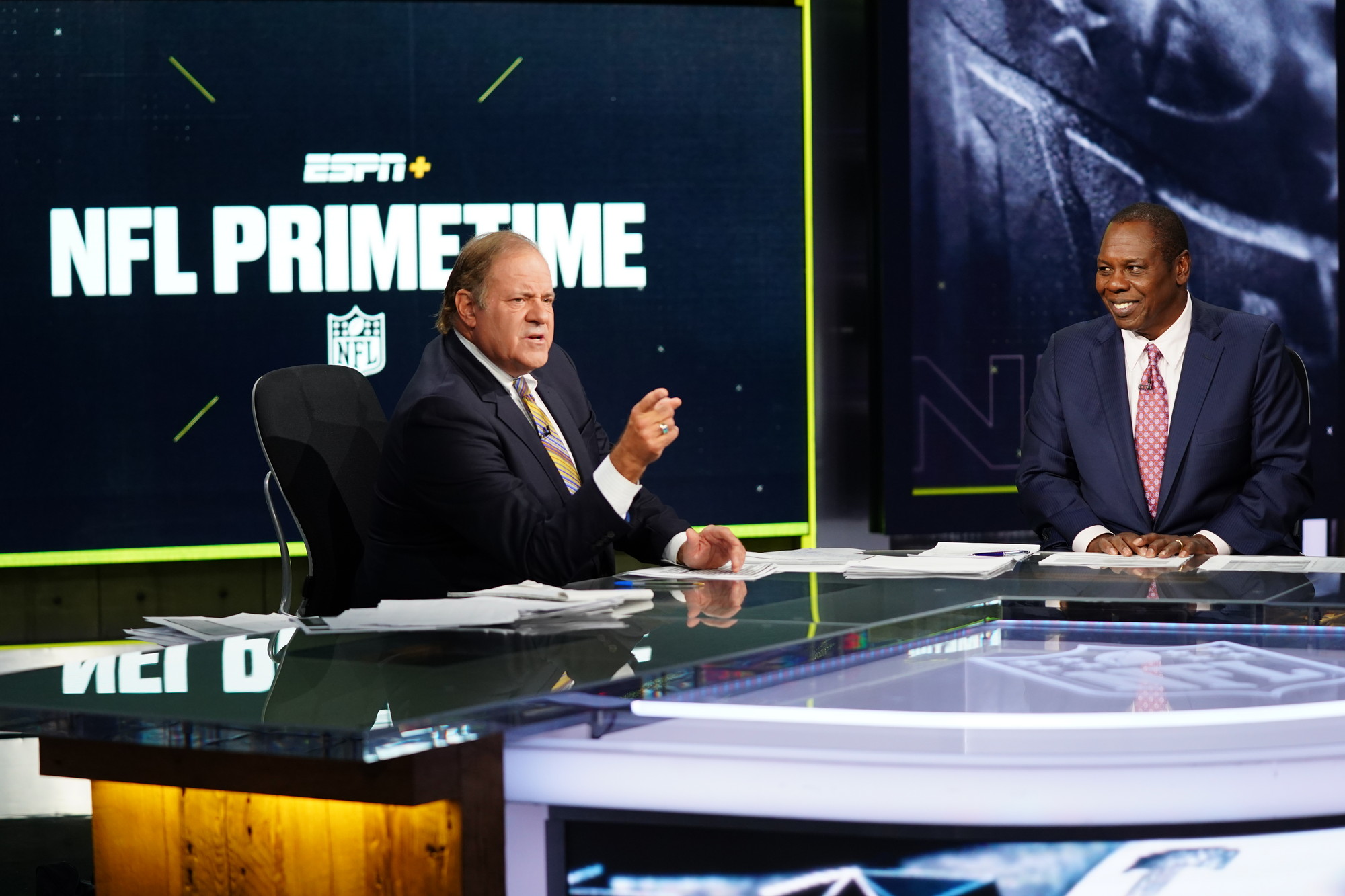
 ESPN Is Bringing Back NFL PrimeTime With Chris Berman And Tom Jackson
For everyday readers interested in building their own version of this kind of career success, several practical tips emerge from Berman's trajectory. First, invest in your unique voice — whether that means developing a signature communication style, mastering a niche subject, or cultivating personal charisma that colleagues and clients remember. Second, aim for consistency and longevity over quick wins; Berman was at ESPN for decades before his net worth reached its current estimated level, and those who chase short-term opportunities often miss the compounding effects of accumulated experience. Third, explore supplementary opportunities such as writing, speaking, or products that extend the value of your primary work into additional markets.
Finally, readers who want to explore how broadcasters, athletes, and media personalities structure their wealth can start with simple resources. Browse publicly available salary databases such as those maintained by sportswriters or entertainment industry trackers, watch interviews where Berman discusses his career decisions, and read industry publications like Sports Business Journal to understand how contracts, residuals, and brand deals work. These steps will not only answer the question of someone like Chris Berman's net worth — currently estimated by various outlets at roughly $17 million to as high as $25 million — but will also provide a blueprint for anyone aiming to turn professional passion into lasting financial security.