How Tree T-pee Made Millions From A Plastic Tree Cone

Imagine a tiny plastic cone that could change the way trees drink water—sounds like a cartoon, right? Tree T‑Pee turned that quirky idea into a multi‑million‑dollar success st...

Imagine a tiny plastic cone that could change the way trees drink water—sounds like a cartoon, right? Tree T‑Pee turned that quirky idea into a multi‑million‑dollar success story.
Think about it: we’ve all seen those little cones protecting seedlings, but who would think to attach a pipe and a whole irrigation system to a 3‑inch sleeve?
The answer is a brave inventor who saw a gap and said, “Why not make a self‑watering sleeve that saves water, time, and hassle?”
Must Read
It all started when Gary Greenfield was frustrated with the endless drudgery of watering newly planted trees in California’s scorching summers.
He sketched a simple shape, 3D‑printed a prototype, and voilà—the first Tree T‑Pee was born.
“If a tiny cone can protect a sapling, why can’t it also deliver a steady sip of H₂O?” he asked, and the market answered with a resounding “Yes!”
From Garage to Global
Armed with that first prototype, Gary pitched his invention at local nurseries, expecting polite nods and maybe a few sales.
Instead, growers were dazzled by how much water they saved—up to 70 %—and the ease of installation made them grin ear to ear.
 Tree T Pee: What Happened After Shark Tank? - OnlinebizBooster
Word spread faster than a garden hose, and soon nurseries across the West Coast were ordering by the pallet.
Even the big‑box retailers noticed: the low price point and the clear ROI made it a “must‑have” for any serious landscaper.
Within a year, Gary’s garage became a factory floor, and the humble cone started leaving the line by the thousands.
The Secret Sauce
What makes Tree T‑Pee so catchy? It’s the simple combination of clever design and practical benefit.
The cone acts as a mini reservoir, captures rain, releases it slowly, and keeps the soil moist without wasteful over‑watering.
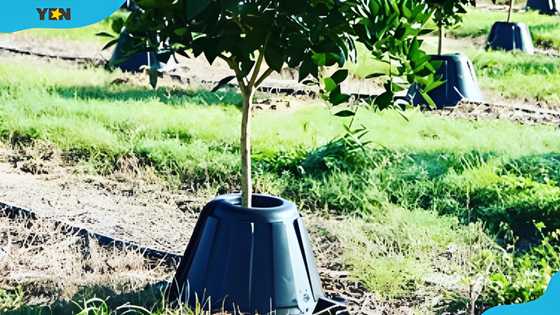 Johnny Georges Tree T-PEE’s net worth story before and after Shark Tank
Plus, the lightweight plastic is cheap to produce, which means the price never scares off a first‑time buyer.
And let’s be honest, there’s something oddly satisfying about watching a little cone “drink” water all on its own—it’s like a toy for grown‑ups!
The Million‑Dollar Twist
When investors heard about the cone, they raised an eyebrow; sheer simplicity of the product soon had them laughing all the way to bank.
Fast forward a few years, and Tree T‑Pee isn’t just a nursery staple; it’s a brand you can spot on Pinterest, Instagram, and even in DIY home‑garden videos.
To date, the company has sold over 30 million cones, racking up revenues north of $15 million.
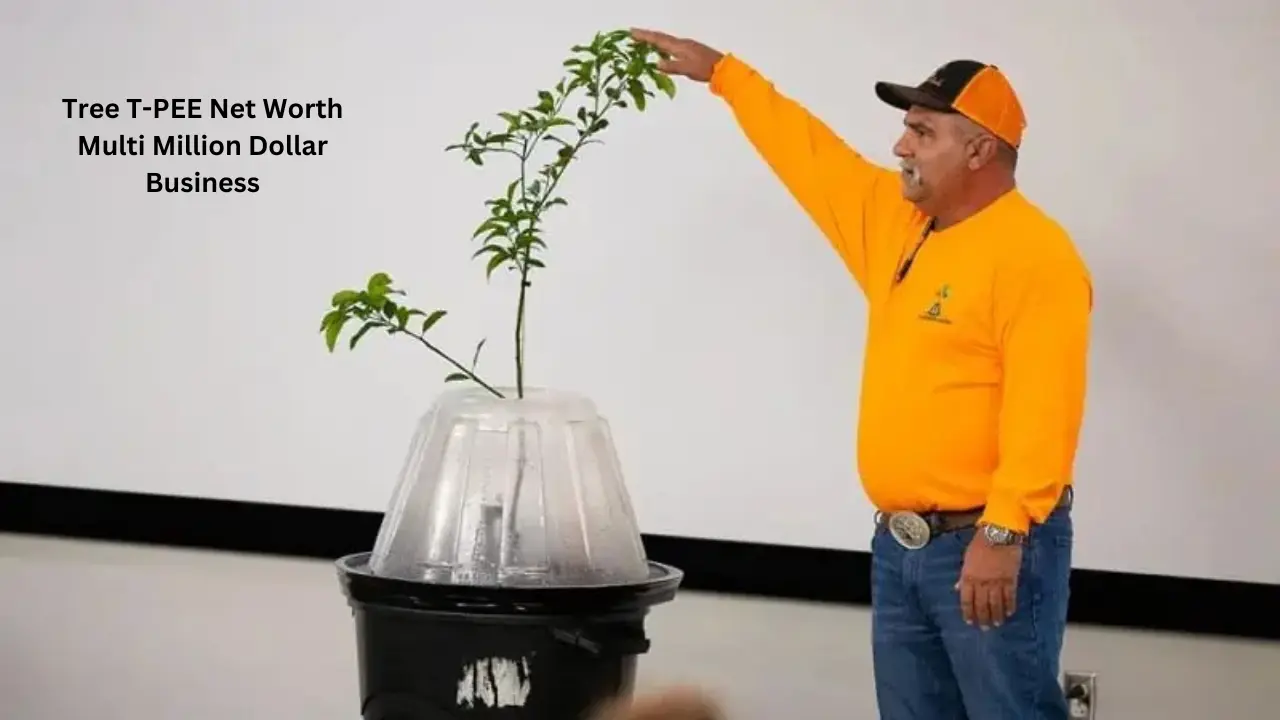 Tree T-PEE Net Worth Multi Million Dollar Business
That’s a pretty impressive bottom line for a piece of plastic that looks like a party hat for trees.
Even more surprising? Gary’s team hasn’t stopped innovating—they’ve added color options and a patented “spray‑tip” for drought‑prone areas.
The latest model even features a built‑in sensor that alerts you when the soil moisture drops, turning a simple cone into a tiny smart‑home device.
What We Can Learn (and Laugh About)
So, what’s the takeaway for you, the curious reader? First, never underestimate a quirky idea just because it sounds a little “out‑there.”
Second, if you spot a problem in your daily routine—no matter how small—don’t be afraid to craft a simple solution and test it on friends or a local community garden.
 tree T-PEE University - tree T-PEE
Third, remember that fun and profit aren’t mutually exclusive; a little emoji‑like smile can be attached to a serious business.
And finally, think of the Tree T‑Pee cone as a reminder that inspiration often comes from the most ordinary objects—like a tiny plastic sleeve that became a garden’s first after‑party.
Even the most skeptical gardeners admit that watching the cone slowly seep water is oddly rewarding, like watching a tiny dance of nature on your patio.
And here’s a fun bonus: the cones make great kids’ science kits—students can measure water usage, track growth, and develop a love for sustainable gardening early on.
So go ahead—grab a stray cone, a bottle of water, and start experimenting. You might just discover the next thing that makes life a little more refreshing, and who knows, maybe even earn a few bucks while you’re at it!
