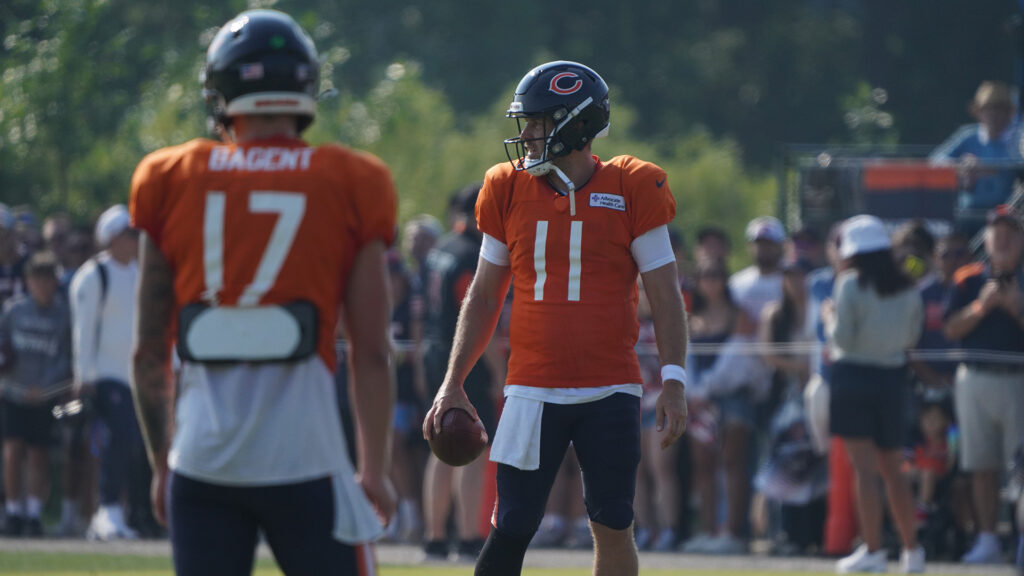
Case Keenum’s Bears Contract: $5.5m Over Two Years

Welcome to a quick dive into Case Keenum’s Bears contract, a little‑but‑big story that’s perfect for fans, fantasy players, and anyone who loves seeing how a quarterback’s dol...
Welcome to a quick dive into Case Keenum’s Bears contract, a little‑but‑big story that’s perfect for fans, fantasy players, and anyone who loves seeing how a quarterback’s dollars line up with the team’s strategy. Why is this fun? Because it shows how a modest two‑year, $5.5 M deal can shape a roster, open doors for a veteran, and give you a surprisingly useful lens to spot value in any NFL transaction. By the end of this piece you’ll not only know the numbers—you’ll have fresh ideas to use them at work, on fantasy football grids, or even in everyday negotiations.
Let’s break down the essentials: the Bears signed Keenum to a two‑year agreement worth $5.5 M, with only a portion guaranteed. That equates to roughly $2.75 M per season, a figure that sits well under the league’s average for a backup quarterback. The contract includes incentives tied to playing time and performance, turning the deal into a “pay‑as‑you‑earn” model. For Chicago, this structure keeps the salary cap flexible while giving Keenum a clear path to prove he can step up if the starter falters.
Now imagine using this contract as a case study in your next boardroom meeting or fantasy league draft. Treat the $5.5 M cap hit as a budget line—ask yourself what you’d buy with that “cap space” if you were building a team or a project. You might allocate $3 M to a high‑risk, high‑reward “free‑agent” (a bold idea) and keep $2.5 M as a safety net. This creative analogy turns a football number into a practical tool for resource allocation, showing how a modest contract can teach you to balance risk and reward.
Must Read
Keenum’s deal also highlights a clever fan‑engagement angle. The Bears can market the contract as a “loan program”: fans who already love the team can watch a veteran quarterback mentor the next generation while each successful drive adds a little more cash to the sleeper’s wallet. Imagine a “drive‑for‑dollars” social media challenge where every touchdown Keenum throws unlocks a donation to a local charity—a win‑win that boosts morale, community goodwill, and the team’s brand without breaking the bank.
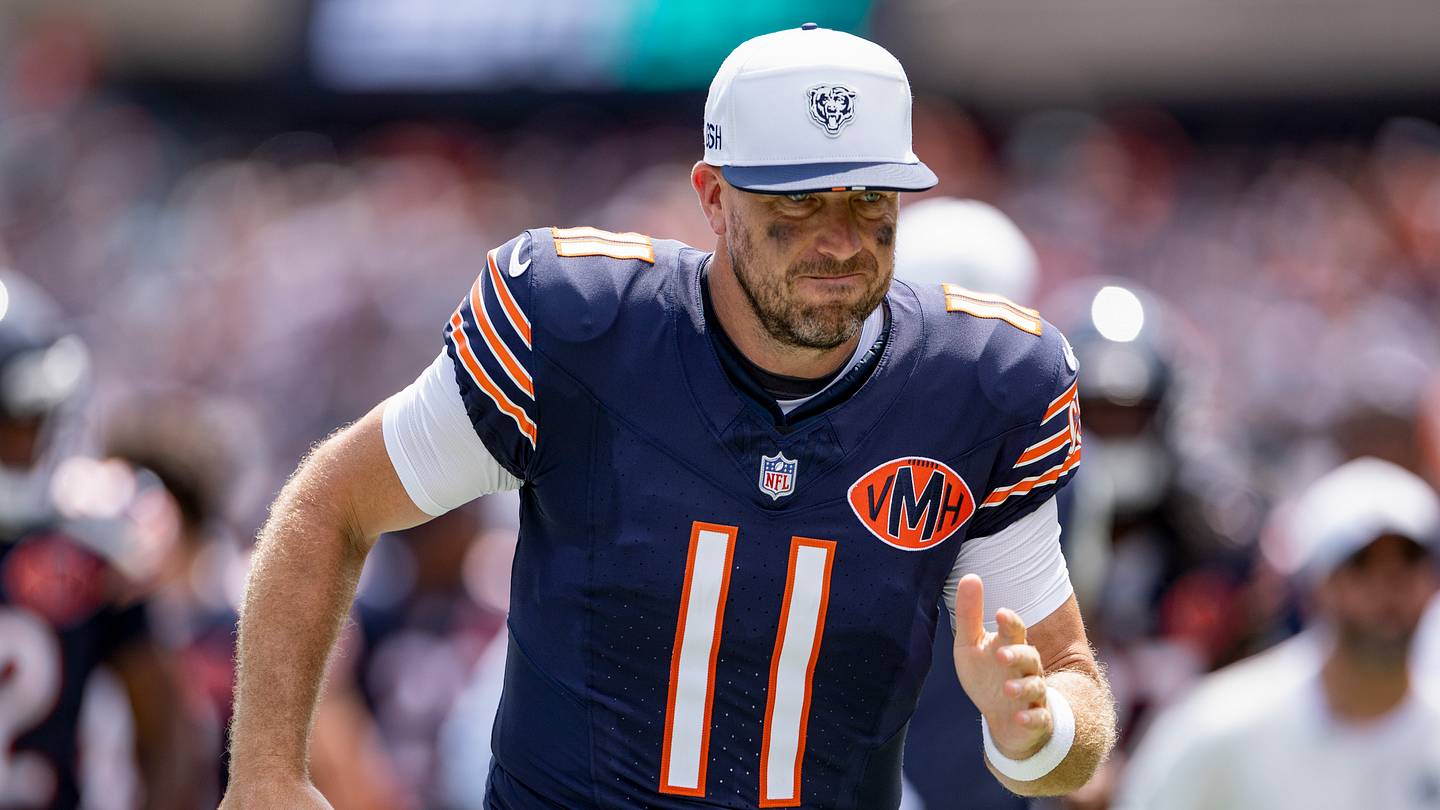
 Chicago Bears signing QB Case Keenum
If you want to apply these insights, start with three easy steps. First, research the full contract details (guaranteed money, incentives, cap hit) using databases like Over the Cap. Second, compare that set of numbers to similar deals for a quick “value‑for‑money” ratio—perfect for a quick fantasy draft or a budget proposal. Third, simulate scenarios: what if Keenum starts half the games? Update the projected earnings and see how the cap shifts. Following this workflow gives you a repeatable, data‑driven method for evaluating any contract, from sports to business.
Finally, keep the spirit of the story alive by sharing the take‑home message: a well‑structured, modest deal can be a powerful strategic asset. Whether you’re a die‑hard Bears fan, a fantasy football enthusiast, or simply someone who enjoys getting the most out of limited resources, Keenum’s $5.5 M contract proves that smart numbers matter as much as flashy headlines. So next time you spot a small contract, remember it’s a hidden playground for ideas—use it, test it, and watch your own “cap” grow.