Steve Will Do It’s Brand Deals, Crypto, And Wealth

There's something surprisingly fascinating about watching a young creator turn outrageous stunts into an empire. Steve Will Do It, born Stephen Deleonardis, first grabbed atte...

There's something surprisingly fascinating about watching a young creator turn outrageous stunts into an empire. Steve Will Do It, born Stephen Deleonardis, first grabbed attention with his absurd challenge videos — chugging gallons of milk, racing strangers in sports cars, or eating massive food orders on camera. But what really captivates audiences is the bigger picture: how he parleyed those viral moments into lucrative brand deals, explored the high-stakes world of cryptocurrency, and built personal wealth worth millions. This topic is enjoyable because it sits at the crossroads of entertainment, business, and modern finance — three things everyone secretly wants to understand better. Whether you're a budding content creator, a casual crypto watcher, or just someone curious about how internet fame translates into dollars, there's practical value in unpacking how Steve and creators like him actually make money.
Steve's brand partnerships are one of the most visible pillars of his income. When he boosted products in his videos or on social media, companies saw millions of eyeballs in a single post. Think of the classic partnership brands like energy drinks, supplement lines, fashion labels, and mobile apps. A well-known example would be his association with companies that sponsored challenge-style content — many of which paid him five to six figures per single integration. These deals differ by platform: a TikTok mention might fetch more from certain apparel brands, while a YouTube sponsorship segment could command a flat fee, a CPA (cost-per-acquisition) deal, or a revenue-share agreement. The lesson here is clear: audience size plus engagement equals leverage, and Steve clearly understood that from day one.
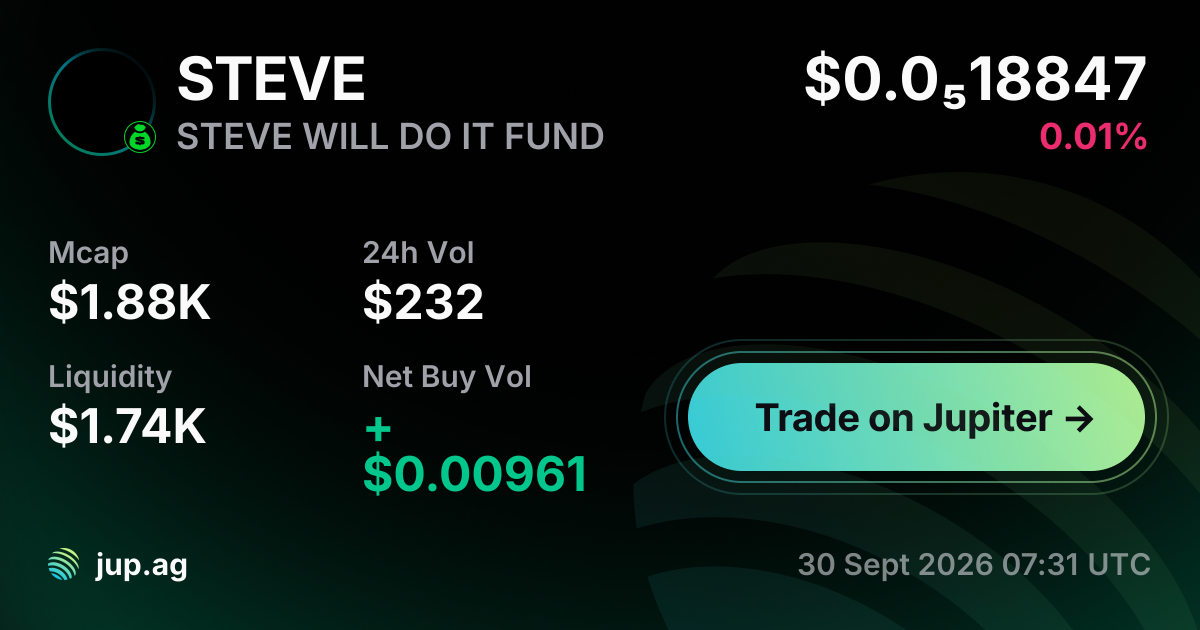
Crypto represented his next frontier — and, honestly, where things got a lot more complex. Steve publicly endorsed various cryptocurrency projects, including tokens he claimed to have personally invested in. He was notably vocal about NFTs and smaller-cap altcoins, encouraging his fans to "go all in" alongside him. Some of these ventures, like a publicly promoted token, experienced dramatic price swings in short periods, raising eyebrows about influencer-led financial advice. This example matters because it highlights both the upside and the downside of crypto in the influencer economy: massive potential gains when things go well, and swift, painful losses when they don't. For everyday readers, the takeaway is to treat any "influencer coin" with the same skepticism you'd give a stock tip from a stranger at a bar — do your own research first.
Must Read
Steve's broader wealth strategy also pulls from typical creator playbooks: diversified income streams. Beyond brand deals and crypto, he earns through platform ad revenue, merchandise sales, paid appearances, and a modest investment portfolio if his public comments are anything to go by. You'd recognize common variations of this model in creators like Logan Paul and MrBeast, who similarly blend sponsorships, product lines, and alternative investments. What sets Steve apart is the deliberate embrace of a riskier financial identity — he doesn't just play it safe; he publicly shares trades, wins, and losses. For readers exploring their own finances, this dual approach of stable income (wages, ad revenue, sponsorships) paired with a smaller, calculated risk allocation (crypto or equities) is a reasonable template worth studying closely.
 SteveWillDoIt Net Worth: Everything You Need to Know - Fashion Mags
So how can you actually get started applying any of these lessons? Simple, actionable steps matter more than flashy headlines. First, define your value proposition — whether you create content, sell services, or market a product, clearly articulate what makes you worth paying for. Second, track your audience metrics closely; even a small, highly engaged following can attract brand deals if your niche aligns with a company's goals. Third, start a broad investment account early — even $50 monthly into a diversified fund or a blue-chip crypto asset compounds over time. Finally, negotiate contracts rigorously. Too many creators accept the first number on the table. Research market rates, highlight your unique reach, and don't be afraid to say no if the deal feels undervalued.
Ultimately, Steve Will Do It's journey from milk-chugging prankster to multi-platform entrepreneur illustrates a modern truth: wealth in the creator age is built, not given. It comes from turning attention into trust, trust into deals, and deals into long-term assets. His story, with all its dramatic highs and occasional controversies, offers an unfiltered look at both the rewards and the warnings of this path. If you walk away with one thing, let it be this: understand the money behind the content, and you'll spot opportunities others miss — whether you're choosing what to invest in next or simply trying to grow your own brand wisely.